About this landmark
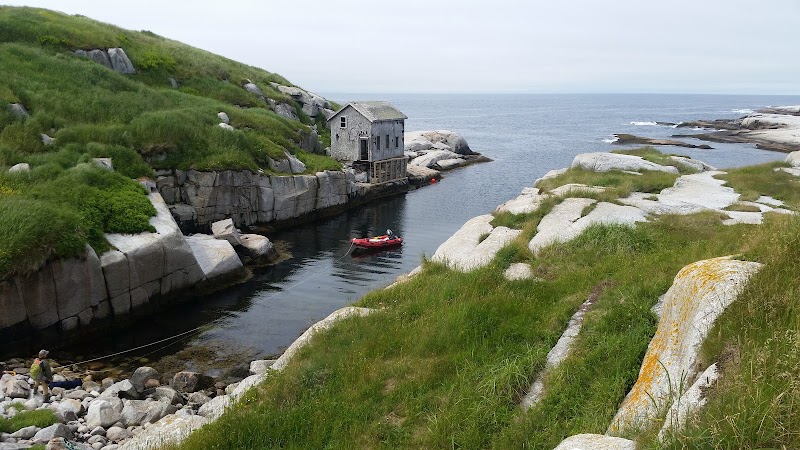
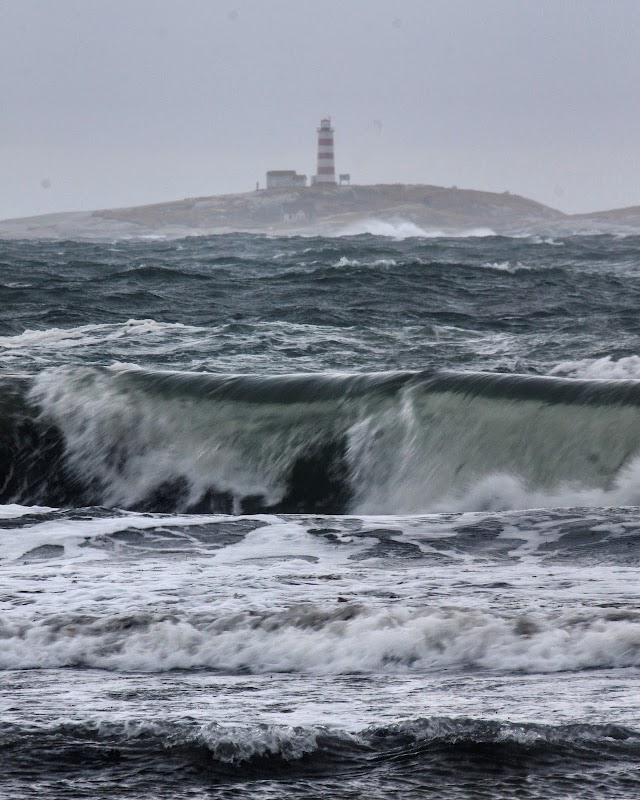
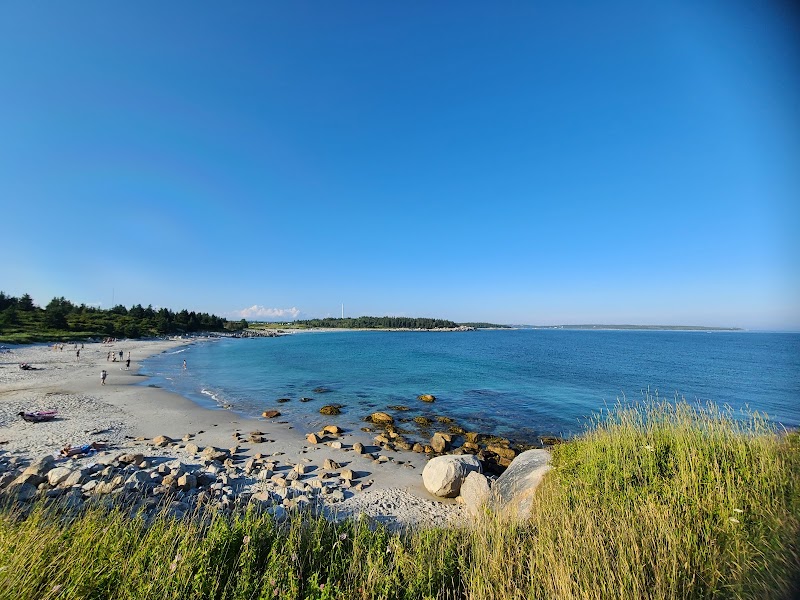
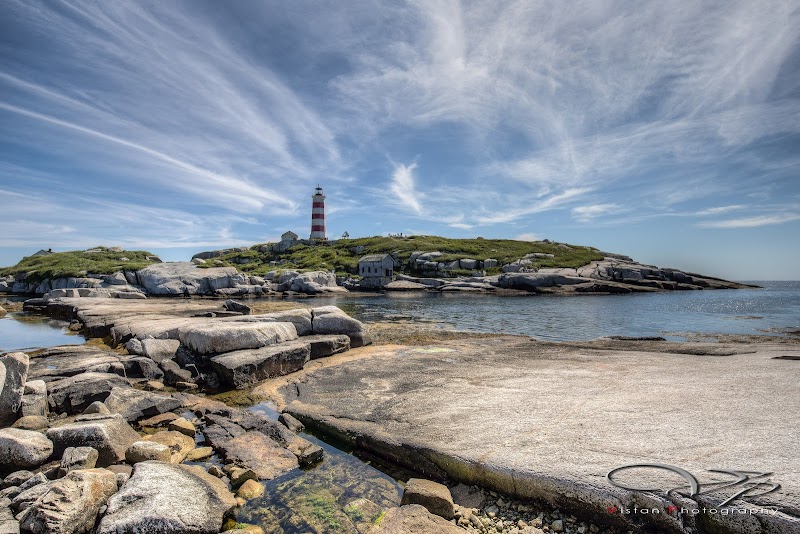
Nestled near the rustic charm of Sambro, Nova Scotia, Sambro Island Lighthouse stands as a historic emblem of maritime navigation. This striking landmark, boasting red and white stripes, has been guiding seafarers since 1758, making it the oldest operational lighthouse in North America. Located amidst the rugged beauty of the Nova Scotian coastline, the lighthouse offers a unique vantage point for appreciating the Atlantic Ocean's wild elegance. The unique geological formations surround the lighthouse, with smooth granite rocks and the spirited Atlantic waves creating a captivating scene for visitors. The island's ecology is equally fascinating, hosting a variety of seabirds, offering birdwatchers an engaging experience. While the lighthouse itself is historically significant, the natural beauty around it provides a tranquil escape from the bustle of city life. As a must-visit destination for history enthusiasts and nature lovers, Sambro Island Lighthouse offers a blend of cultural heritage and serene landscapes.
Adventure Guide
Adventure Guide To Sambro Island Lighthouse
Coastal Hiking Trails
- Location: Surrounding Sambro Island
- What Makes It Special: Windswept trails offering panoramic views of the Atlantic Ocean.
- Highlights: Spot sea lions and a variety of seabirds.
- Visitor Tips: Best visited in late spring and early autumn. Wear sturdy shoes and bring a camera to capture the stunning vistas.
Kayaking Expedition
- Location: Approaching Sambro Island
- What Makes It Special: Paddle through clear Atlantic waters twisting through the harbor to reach the island.
- Highlights: Experience the dramatic coastal landscape from a unique perspective.
- Visitor Tips: Check weather conditions beforehand. Bring a dry bag and wear a life jacket. Guided tours available.
Bird Watching
- Location: Sambro Island's Coastline
- What Makes It Special: Home to several species of seabirds, making it a birder's paradise.
- Highlights: Great opportunity to see puffins and razorbills up close.
- Visitor Tips: Early morning visits are recommended. Bring binoculars and a field guide to the area's bird species. Be prepared for a cool breeze, even in summer.
Visitor Tips
- Best Times:Spring and Fall for favorable conditions and optimal lighting.
- What to Bring:Plenty of water, sun protection, a camera, and respectful Leave-No-Trace mindset.